Jewelry has long been a way to express personal style and individuality, and the New Billiard Beaded Black 8-Hand Bracelet is no exception. This unique and fashionable accessory is designed for both men and women, blending elegance with symbolic meaning. Whether you're looking for a trendy bracelet to complement your outfit or a lucky charm, this piece is the perfect choice. A Stylish and Versatile Accessory The bracelet features high-quality black beads, giving it a sleek and modern look. The neutral black color makes it easy to pair with any outfit, from casual to formal. Whether you're wearing it alone or stacking it with other bracelets, this piece enhances your style effortlessly. Symbolism and Meaning One of the key highlights of this bracelet is the 8-hand design, which is believed to bring protection, strength, and balance. In many cultures, the number 8 is associated with infinity, good luck, and prosperity. The addition of a cross charm further enhances its spiri...
When it comes to maintaining beautiful and healthy hair, choosing the right shampoo and conditioner is crucial. These two products are essential for cleansing, nourishing, and hydrating your hair, but not all shampoos and conditioners are created equal. In recent years, sulfate-free shampoos and moisturizing conditioners have become highly recommended due to their gentle yet effective properties. Understanding the significance of these products can help you make better choices for your hair’s long-term health.
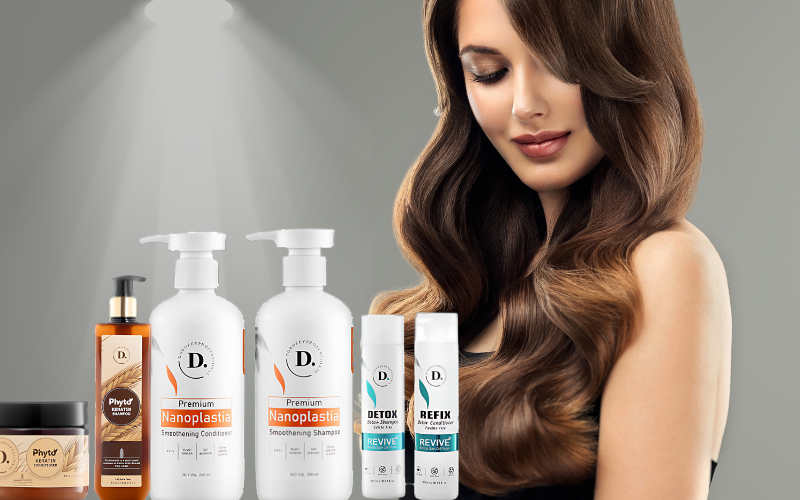
What Are Sulfates and Why Should You Avoid Them?
Sulfates are harsh detergents commonly used in shampoos to create a foamy lather that cleans the hair and scalp. Sodium lauryl sulfate (SLS) and sodium laureth sulfate (SLES) are the most common sulfates found in many commercial hair care products. While sulfates are effective at removing dirt, oil, and product buildup, they can also strip your hair of its natural oils. This can leave your hair feeling dry, brittle, and more prone to damage.
Why is this a problem?
- Stripping Natural Oils: Our scalp naturally produces oils (sebum) that help keep our hair moisturized. When sulfates are used regularly, they remove these oils, leaving hair feeling dry and looking lackluster. For individuals with curly, coiled, or dry hair, this can lead to frizz and breakage.
- Irritation to Scalp: Sulfates can also irritate sensitive skin, leading to dryness, itching, or flakiness on the scalp. People with skin conditions like eczema or psoriasis may find their symptoms aggravated by sulfates.
- Color Fade: If you color your hair, sulfates can strip away the color, causing it to fade more quickly. Color-treated hair needs extra care to preserve its vibrancy, and sulfate-free shampoos help minimize color loss.
Benefits of Using Sulfate-Free Shampoo
Opting for a sulfate-free shampoo offers several key benefits for the health of your hair and scalp:
- Maintains Natural Moisture: Sulfate-free shampoos are much gentler on your scalp and hair, preserving the natural oils that are essential for hydration. This is especially important for individuals with dry, curly, or coarse hair.
- Reduces Frizz: By preventing moisture from being stripped away, sulfate-free shampoos help minimize frizz and maintain smooth, soft hair. This is especially beneficial for curly or wavy hair types.
- Prevents Scalp Irritation: Without the harsh chemicals found in sulfate-based shampoos, sulfate-free options are less likely to irritate the scalp. This is an excellent choice for those with sensitive skin or scalp conditions.
- Gentle for Color-Treated Hair: If you have color-treated or highlighted hair, sulfate-free shampoos can help preserve the color and prevent it from fading prematurely. These shampoos cleanse without removing the color molecules from your strands.
How to Choose the Right Sulfate-Free Shampoo
When shopping for a sulfate-free shampoo, consider the following factors:
- Hair Type: Select a shampoo that is tailored to your specific hair type. For instance, if you have fine hair, opt for a volumizing sulfate-free shampoo. If you have dry or curly hair, look for one with added moisturizing ingredients like argan oil or shea butter.
- Ingredients: Check the ingredient list for natural, nourishing components such as aloe vera, coconut oil, or glycerin, which provide hydration and protect hair from damage.
- pH Balance: Choose a sulfate-free shampoo with a balanced pH level (around 4.5–5.5) to maintain scalp health and prevent excess oil buildup or dryness.
The Importance of Moisturizing Conditioner
While a sulfate-free shampoo gently cleanses the hair, a moisturizing conditioner works to restore and maintain hydration. Shampoo cleanses by opening the hair cuticles, and conditioner helps to smooth and seal those cuticles, locking in moisture and preventing damage.
Benefits of a Moisturizing Conditioner:
- Hydrates and Softens: Moisturizing conditioners are packed with hydrating ingredients such as glycerin, oils (coconut, argan, or jojoba), and humectants, which attract moisture to the hair shaft. This helps keep hair soft, smooth, and manageable.
- Repairs Damage: Regular use of a good conditioner can help repair dry, damaged hair by replenishing lost moisture. It also makes hair less prone to breakage, split ends, and frizz.
- Detangles Hair: The moisturizing agents in conditioner help to detangle hair, making it easier to comb through without causing breakage or unnecessary pulling.
- Improves Elasticity: A moisturizing conditioner strengthens hair, improving its elasticity and reducing the risk of snapping or splitting.
How to Use Shampoo and Conditioner for Maximum Benefits
To get the best results, it’s important to use shampoo and conditioner in the correct order and in the right way:
- Shampoo First: Wet your hair thoroughly with warm water. Apply a generous amount of sulfate-free shampoo to your scalp, massaging gently with your fingertips to cleanse the scalp. Focus on the roots and avoid applying too much shampoo to the lengths of your hair.
- Conditioner After Shampooing: After rinsing out the shampoo, apply conditioner to the mid-lengths and ends of your hair. Avoid applying conditioner to the scalp unless it’s formulated for scalp care. Leave the conditioner on for a few minutes to allow it to fully penetrate and hydrate the hair. For extra moisture, consider using a deep conditioning treatment once a week.
- Rinse with Cool Water: Rinse your hair with cool water to help seal the hair cuticle, which helps lock in moisture and adds shine.
Conclusion
Incorporating sulfate-free shampoo and a moisturizing conditioner into your hair care routine can lead to healthier, more vibrant hair. Sulfate-free shampoos help cleanse the hair without stripping it of its natural oils, while moisturizing conditioners restore hydration and keep your hair soft and manageable. Together, these products promote overall hair health, prevent damage, and support the natural texture and shine of your hair. By making the switch to sulfate-free and moisturizing formulas, you’re giving your hair the care it deserves.
Comments
Post a Comment